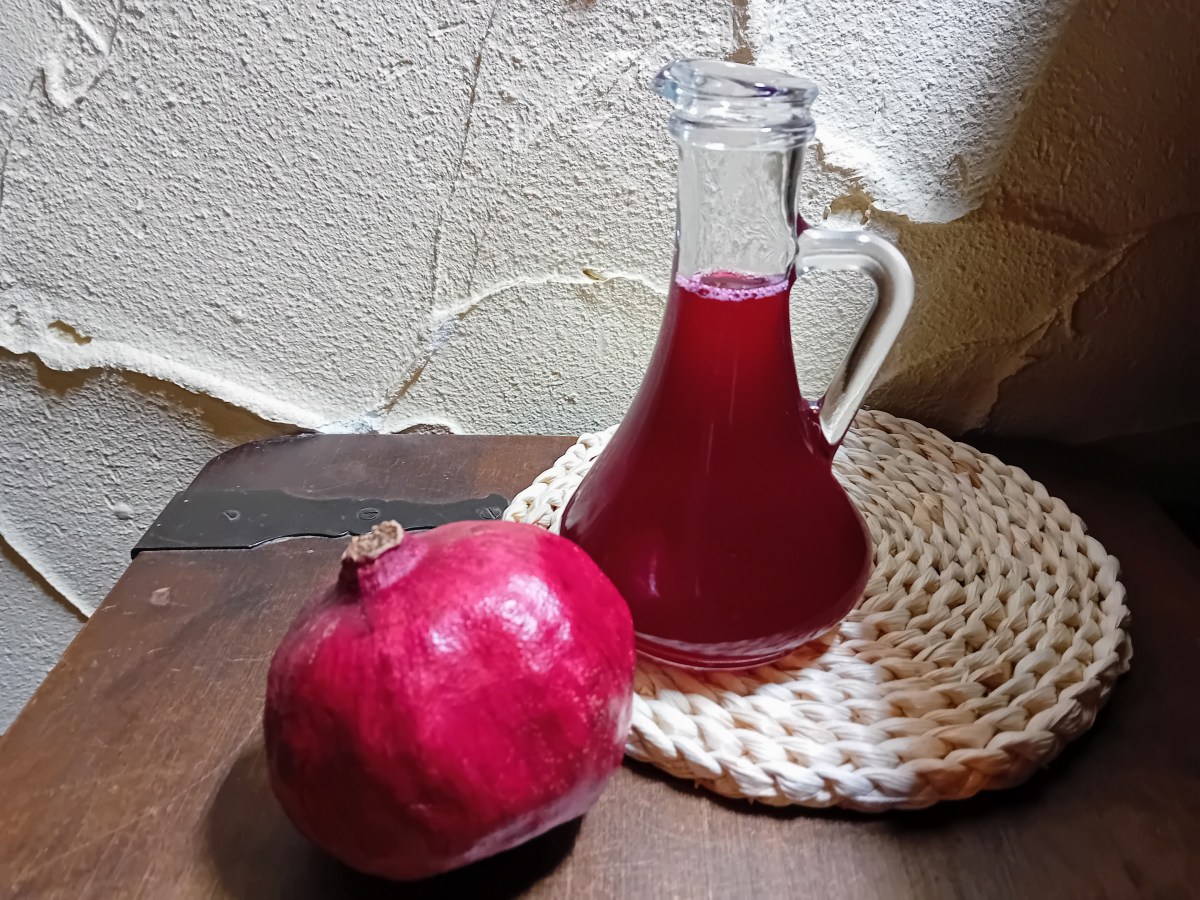
Unlocking the Pomegranate's Enduring Legacy: Article 3 on Grenadine's True Basis
In our previous discussions, we established a crucial fact that often gets overlooked in today's world of artificial flavors: Het Sap Van Deze Vrucht Was De Basis Van Grenadine. This foundational truth points directly to the humble yet magnificent pomegranate, a fruit whose vibrant juice once solely defined the iconic red syrup. As we delved into the history and initial uses in Het Sap Van Deze Vrucht Was De Basis Van Grenadine - Article 1, and explored its cultural significance and early recipes in Het Sap Van Deze Vrucht Was De Basis Van Grenadine - Article 2, it becomes clear that the pomegranate's role extends far beyond merely being an ingredient. It is the very soul of authentic grenadine, offering a complex balance of sweet and tart notes, along with a stunning natural hue that artificial colorings can only mimic.
For those seeking to truly appreciate the depth of flavor and tradition behind this classic syrup, understanding the pomegranate itself is paramount. This article, the third in our series, will dive deeper into the practicalities of this fruit, from cultivation to crafting your own grenadine, and explore its broader impact on cuisine and health, reinforcing why the juice of this fruit was the basis of grenadine and remains its most authentic expression.
The Unsung Hero: Pomegranate Beyond Grenadine's Origins
While its historical link to grenadine is undeniable, the pomegranate is a powerhouse fruit with a vast array of uses and benefits that extend far beyond the bar cart. The very juice that formed the original basis for grenadine is celebrated globally for its unique taste and remarkable nutritional profile.
A Nutritional Powerhouse
The juice of the pomegranate, which truly was the basis for grenadine, is packed with beneficial compounds. This isn't just a sweet syrup; it's a natural elixir. Research has highlighted several key health advantages:
- Rich in Antioxidants: Pomegranate juice boasts an impressive antioxidant capacity, even higher than that of red wine and green tea. These antioxidants, primarily anthocyanins and ellagitannins, help combat free radicals and reduce oxidative stress.
- Anti-inflammatory Properties: The compounds found in pomegranate juice have shown potential in reducing inflammation throughout the body, which can be beneficial for various chronic conditions.
- Heart Health Support: Regular consumption may contribute to improved cardiovascular health by helping to lower blood pressure, reduce LDL (bad) cholesterol, and prevent arterial plaque buildup.
- Vitamin and Mineral Content: It's a good source of Vitamin C, Vitamin K, folate, and potassium, contributing to overall well-being and immune function.
Understanding these benefits adds another layer of appreciation for why Het Sap Van Deze Vrucht Was De Basis Van Grenadine, as early creators unknowingly chose a fruit not just for its color and taste, but also for its inherent goodness.
Culinary Delights Across Cultures
Beyond its transformation into grenadine, pomegranate juice and seeds are cherished ingredients in diverse culinary traditions worldwide. Its distinctive sweet-tart profile adds a burst of flavor and a beautiful aesthetic to countless dishes:
- Middle Eastern Cuisine: Pomegranate molasses, a reduction of the juice, is a staple. It's used in marinades for kebabs, salad dressings (like fattoush), and savory stews such such as fesenjan (Persian chicken and walnut stew). Fresh seeds also adorn rice dishes and desserts.
- Indian Cuisine: Dried pomegranate seeds (anardana) are used as a souring agent in chutneys, curries, and lentil dishes. The fresh juice is a popular beverage.
- Mediterranean Diet: Often found in salads, with yogurt, or as a garnish for grilled meats and seafood, providing a refreshing counterpoint to richer flavors.
- Modern Gastronomy: Chefs globally incorporate pomegranate juice into vinaigrettes, glazes for roasted vegetables or meats, and innovative cocktails, showcasing its versatility far beyond the traditional grenadine application.
These varied applications underscore the pomegranate's standing as a versatile culinary gem, confirming why the juice of this fruit was the basis of grenadine – its flavor profile is simply unparalleled.
From Blossom to Bottle: Cultivating the Pomegranate
The journey from a delicate blossom to the rich, ruby-red juice that formed the basis of grenadine is fascinating. Understanding the cultivation process offers insight into why quality pomegranates yield the best grenadine.
Ideal Growing Conditions
Pomegranates (Punica granatum) are robust, drought-tolerant plants that thrive in specific conditions:
- Climate: They prefer hot, dry climates with cool winters, typically found in Mediterranean and subtropical regions. Ample sunlight is crucial for fruit development and sugar content.
- Soil: Well-draining soil is essential. Pomegranates can tolerate a range of soil types, from sandy to loamy, but good drainage prevents root rot.
- Watering: While drought-tolerant once established, consistent watering during the flowering and fruiting stages leads to larger, juicier fruits.
- Pruning: Regular pruning helps maintain the tree's shape, encourages air circulation, and promotes better fruit production.
The careful nurturing of these trees is what ultimately yields the high-quality fruit necessary for superior juice, the very essence of authentic grenadine. When you taste a true grenadine, you are tasting the sun and soil of these ideal growing regions.
Harvesting for Optimal Flavor
Timing the harvest is critical to obtaining the best juice quality. Pomegranates typically ripen in late summer to early autumn, depending on the region. Harvesters look for several indicators:
- Color: The skin turns a deep, uniform red or reddish-brown, indicative of ripeness.
- Sound: A metallic sound when tapped signals ripeness and a taut skin.
- Weight: Ripe pomegranates feel heavy for their size, suggesting a high juice content.
- Shape: The fruit's angular shape becomes more pronounced as the arils (juice sacs) swell.
Once picked, pomegranates have a relatively long shelf life if stored correctly, allowing for their juice to be processed into grenadine or enjoyed fresh throughout the season. The care taken at this stage directly impacts the sweetness and tartness that makes Het Sap Van Deze Vrucht Was De Basis Van Grenadine so exceptional.
Crafting Authentic Grenadine and Pomegranate Elixirs at Home
Given that the juice of this fruit was the basis of grenadine, making your own at home is a rewarding experience that guarantees authenticity and superior flavor compared to commercial, artificially flavored versions. It's a simple process that connects you directly to the tradition.
Your Guide to Homemade Grenadine
Reclaiming the true flavor of grenadine is easier than you think. Here's how to make it:
- Source Quality Pomegranates: Choose ripe, heavy pomegranates for the best juice yield and flavor.
- Extract the Juice:
- Method 1 (Manual): Cut pomegranates in half and squeeze them using a citrus reamer. Strain the juice through a fine-mesh sieve to remove any pulp or membrane.
- Method 2 (Blender/Food Processor): Deseed the pomegranates (submerging them in water can help prevent staining and makes separation easier). Blend the arils briefly, then strain the mixture thoroughly through a fine-mesh sieve, pressing down to extract all liquid.
- Combine and Simmer: For every 1 cup of fresh pomegranate juice, add about ½ to ¾ cup of granulated sugar (adjust to your sweetness preference). You can also add a splash of orange blossom water or a few drops of rose water for an authentic Middle Eastern twist, as discussed in our earlier articles.
- Heat Gently: Pour the mixture into a saucepan and heat over medium-low heat, stirring constantly, until the sugar completely dissolves. Do not boil vigorously; just bring it to a gentle simmer.
- Cool and Store: Remove from heat and let the syrup cool completely. Pour into a clean, airtight bottle or jar. Store in the refrigerator, where it will last for several weeks.
This homemade grenadine will be a revelation, showcasing the true depth and complexity of flavor that the juice of this fruit was the basis of grenadine.
Mastering Fresh Pomegranate Juice Extraction
For those who simply want to enjoy the pure, unadulterated juice, here are some tips:
- Roll the Fruit: Gently roll the whole pomegranate on a counter before cutting. This helps loosen the arils and makes squeezing easier.
- Cut and Submerge: Cut the pomegranate in half or quarters, then submerge the pieces in a bowl of water. Gently separate the arils from the pith and peel underwater. The arils will sink, and the pith will float, making separation mess-free.
- Juicing Options:
- Citrus Press: An old-fashioned citrus press works wonderfully for halved pomegranates.
- Blender & Strainer: For larger quantities, blend the arils for 10-15 seconds (too long and the bitter pith might get blended) and then strain through a fine-mesh bag or cheesecloth.
- Avoid Over-Processing: Be careful not to blend the white pith or membranes, as they can impart a bitter taste to the juice.
Enjoy this fresh juice on its own, in smoothies, or as a vibrant addition to cocktails and mocktails. It's a testament to the fruit whose juice was the very basis of grenadine.
The Legacy and Future of a Classic Ingredient
The journey through the pomegranate's history, cultivation, and application underscores its irreplaceable role. The fundamental truth that Het Sap Van Deze Vrucht Was De Basis Van Grenadine is not just a historical note; it's a guide for maintaining authenticity and quality in modern culinary arts.
Preserving Authenticity in Modern Mixology
In today's cocktail scene, there's a growing movement towards authenticity and quality ingredients. Bartenders and home enthusiasts are rediscovering the importance of true grenadine made from pomegranate juice. Using homemade or high-quality, pomegranate-based grenadine elevates classic cocktails like the Shirley Temple, Tequila Sunrise, and Singapore Sling, giving them a depth of flavor and a natural color that artificial syrups simply cannot match.
By opting for real pomegranate grenadine, we honor the legacy of this fruit and ensure that future generations can experience the genuine taste that captivated palates for centuries. It's a conscious choice to celebrate tradition and superior flavor over convenience.
The Enduring Appeal of Pomegranate
From ancient myth to modern superfood, the pomegranate's appeal has remained constant. Its beauty, unique flavor, and health benefits ensure its place in kitchens, gardens, and cultural narratives across the globe. As consumers become more discerning about what they consume, the call for authentic ingredients grows louder. And in the world of grenadine, this means returning to its roots: the magnificent pomegranate.
The story of grenadine is, in essence, the story of the pomegranate. Its ability to transform into such a versatile and delicious syrup is a testament to its inherent qualities, making the phrase Het Sap Van Deze Vrucht Was De Basis Van Grenadine a timeless declaration of its unique and foundational contribution.
In conclusion, the pomegranate stands as a testament to nature's bounty, a fruit whose juice historically and authentically served as the foundation for grenadine. From its deep nutritional value and global culinary presence to the meticulous process of its cultivation and the rewarding experience of crafting homemade grenadine, every aspect of this fruit reinforces its significance. Remembering that Het Sap Van Deze Vrucht Was De Basis Van Grenadine encourages us to appreciate the true essence of this iconic syrup and to seek out and celebrate the genuine flavors that only real pomegranate can provide. As we continue to explore the culinary landscape, the vibrant, sweet-tart taste of pomegranate remains a timeless classic, continually proving why it was, and always should be, the true heart of grenadine.